How to Start a Dansal: A Practical Step-by-Step Guide
Updated June 20, 2026
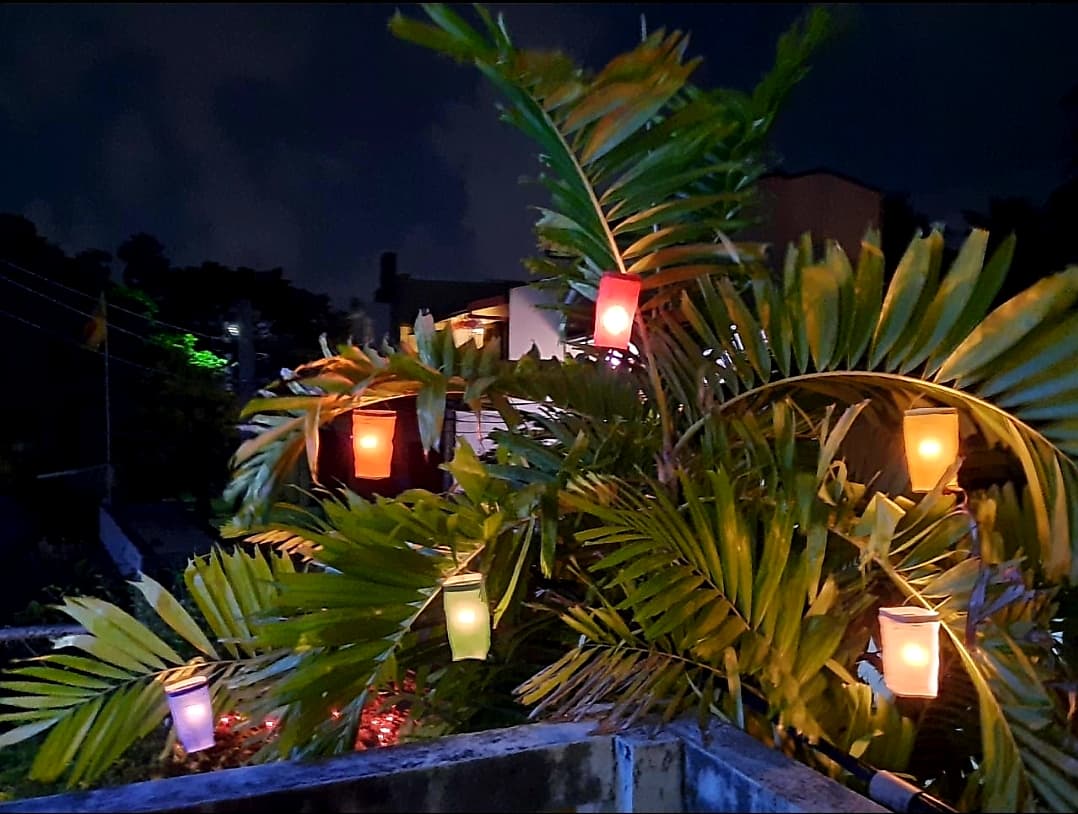
Running a dansal is one of the most rewarding things a group of friends, a family or a community can do during the festival season. It is also a real logistical undertaking: you are cooking for hundreds of strangers, often through the night, on a public road. Done well, it is joyful and safe. Done carelessly, it can be wasteful or even hazardous.
This guide walks through every stage of organising a dansal — from the first conversation about budget to packing up at dawn — with practical advice drawn from how successful dansals are run across Sri Lanka. Whether you are planning a modest tea stall or a full rice-and-curry operation, the same principles apply.
1. Decide what you will give
Start by choosing one thing and doing it well. A single, well-made item — a good kanji, a reliable cup of milk coffee, a generous buth packet — is far better than an ambitious menu you cannot sustain. Consider the time of day you plan to serve: porridge and tea suit the early morning, cool drinks and ice cream suit hot afternoons, and rice meals suit midday and evening.
Estimate numbers honestly. A roadside dansal on a busy route can serve anywhere from a few hundred to several thousand people across a night. Talk to people who have run a dansal nearby before; local experience is the best guide to demand at your location.
2. Build a realistic budget
Cost is driven by quantity, not variety. Once you know roughly how many servings you are aiming for, price the main ingredients, then add a margin for gas, disposables, transport and contingencies. Decide early how the dansal will be funded — many are paid for by pooling contributions from a group, with vegetables, rice or labour donated in kind by local supporters.
- Ingredients (the largest cost — scale to your serving target).
- Cooking fuel — gas cylinders or firewood, plus a spare.
- Serving ware — opt for the most eco-friendly disposables you can afford, or washable cups for drinks.
- Water — both for cooking and for drinking; never assume the roadside supply is safe.
- Lighting and a generator or power source if serving after dark.
- A contingency fund of 10–15% for the inevitable surprises.
3. Get permission and pick a safe spot
Choose a location where vehicles can pull over without blocking traffic, with enough flat space for your serving table, cooking area and a queue that won't spill onto the road. Avoid blind bends, junctions and narrow stretches. If you are setting up on or beside a public road, check with the local authority and police station in advance — many areas expect dansal organisers to inform them, and the police can advise on traffic safety.
Speak to immediate neighbours and nearby shops too. A dansal generates noise, smoke and crowds late into the night; goodwill from those around you makes everything smoother, and they are often happy to help.
4. Make food safety non-negotiable
You are feeding hundreds of people from a temporary kitchen, often in heat and over many hours. Food safety is the single most important responsibility you take on. The basic rules are simple but must be followed without exception:
- Cook in clean conditions and keep raw and cooked food separate.
- Use clean, safe water for cooking and drinking — boil or use treated/bottled water.
- Keep hot food hot and serve it within a few hours; do not let cooked food sit out all day.
- Anyone with a cough, cold or stomach upset should not handle food.
- Provide hand-washing facilities or sanitiser for everyone serving.
- Cover all food to keep out dust, insects and exhaust from the road.
5. Organise your volunteers
A dansal lives or dies on its volunteers. Divide the work into clear roles before the day: cooking, serving, queue management, replenishing supplies, washing up, and traffic and safety. Assign a coordinator for each shift, especially if you are serving overnight, and make sure people rotate so no one burns out.
Brief everyone on the basics — hygiene, portion sizes, how to keep the queue moving, and what to do in an emergency. A calm, well-briefed team keeps the atmosphere warm even when hundreds of people arrive at once.
6. Serve generously but reduce waste
The goal is to give well, not to give wastefully. Serve sensible portions, encourage people to take only what they will eat, and keep a steady flow rather than overwhelming the table. Plan what you will do with any surplus before it spoils — sharing it with a nearby temple, hospital or those in need is a fitting end to the night.
Disposables are the other major source of waste. Use washable cups for drinks where you can, choose biodegradable plates and spoons over plastic, and set out clearly marked bins so the roadside is left as clean as you found it. A dansal that leaves litter behind undermines its own good work.
7. Add your dansal to the map
Once your plans are set, list your dansal on Dansal.lk so people nearby can find it. Add the location, what you are serving, and your serving hours. A short description and a photo of your handbill help people decide to stop. Listings are reviewed before they appear, so add yours a day or two ahead of time.
Frequently asked questions
- Do I need permission to hold a dansal on a public road?
- It is strongly recommended to inform your local authority and police station in advance. They can advise on traffic safety and a suitable spot. Requirements vary by area, so check locally.
- How much food should I prepare?
- It depends on your location and serving hours. Talk to people who have run dansals nearby, start conservatively, and keep ingredients in reserve rather than over-cooking and wasting food.
- What's the most important thing to get right?
- Food safety. Use clean water, keep food covered and hot, separate raw and cooked items, and ensure good hygiene among everyone serving.
- How do I let people know about my dansal?
- Add it to the map on Dansal.lk with your location, items and serving hours a day or two ahead, and share your handbill locally.