Vesak in Sri Lanka: A Complete Guide to the Festival of Light
Updated June 20, 2026
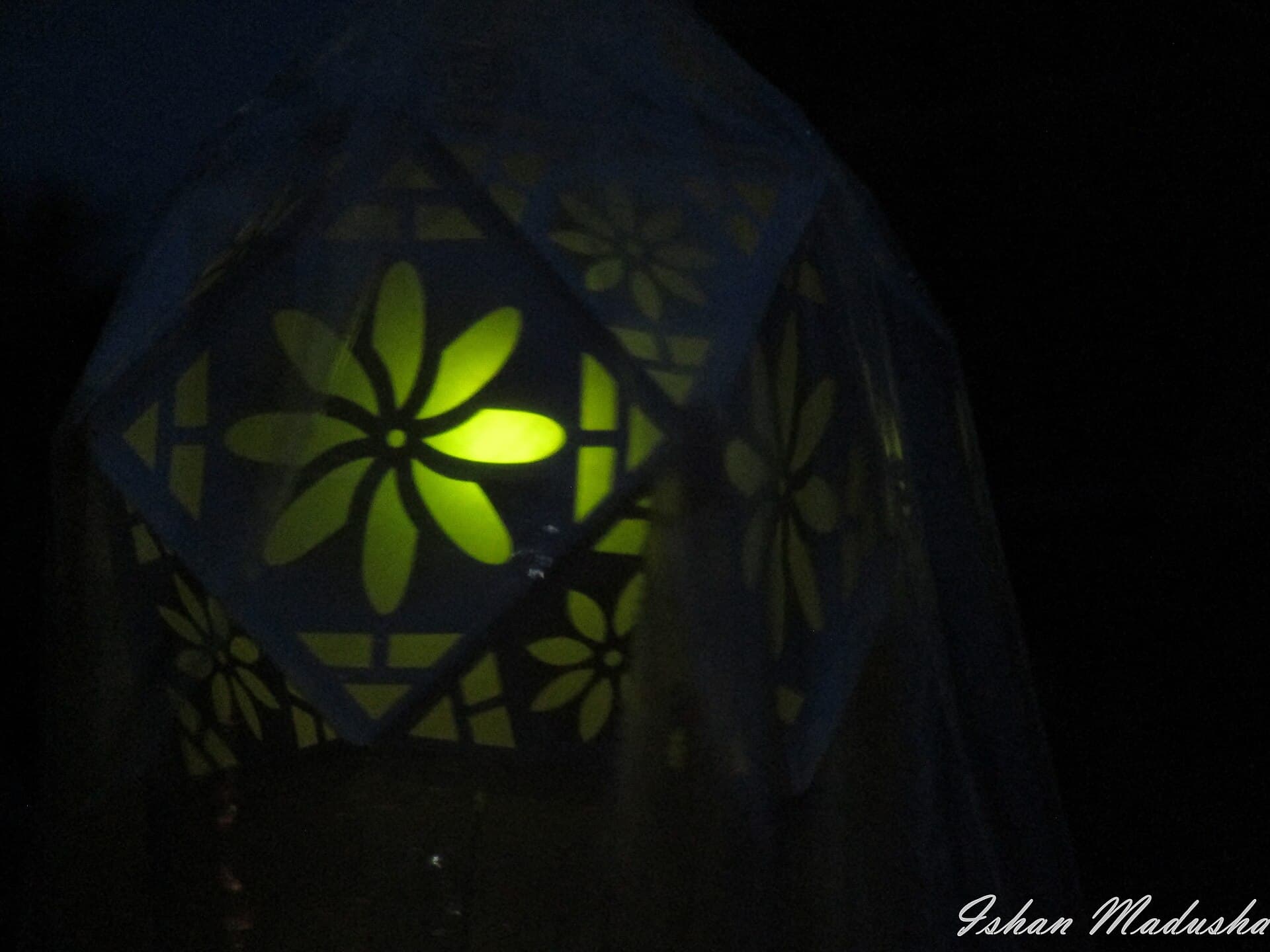
Vesak is the most important festival in the Sri Lankan Buddhist calendar. Falling on the full-moon Poya day of May, it commemorates three pivotal events said to have occurred on the same lunar day: the birth, the enlightenment and the passing away (parinirvana) of the Buddha. For two days the country slows down, temples fill, and after dark whole towns transform into rivers of light.
For the visitor, Vesak is unforgettable: streets glowing with handmade lanterns, towering illuminated pandols telling ancient stories, devotional songs drifting through the night air, and dansals offering food and drink to everyone who passes. This guide explains what Vesak means and how to experience its public celebrations respectfully and fully.
What Vesak commemorates
Vesak (also spelt Wesak) takes its name from the lunar month in which it falls. Theravada Buddhists hold that the Buddha was born, attained enlightenment under the Bodhi tree, and passed into final nirvana all on the full moon of this month, though in different years of his life. Celebrating the three together makes Vesak a meditation on the whole arc of his teaching — birth, awakening and release from suffering.
Because it centres on the Buddha's enlightenment, Vesak is fundamentally a festival of light and understanding. The lamps and lanterns that fill the streets are not mere decoration; they symbolise the light of wisdom dispelling the darkness of ignorance.
The religious observances
For devout Buddhists, Vesak is first a time of religious practice. Many visit the temple dressed in white, observe the eight precepts, and spend the day in meditation, listening to sermons and reflecting quietly. Acts of generosity and kindness are emphasised: releasing caged birds, giving to those in need, and of course holding and visiting dansals.
The festival also carries a strong ethic of restraint. The sale of meat and alcohol is traditionally suspended during Vesak, and the mood, even amid the lights and crowds, is one of gentle devotion rather than revelry.
Thoran: the illuminated pandols
The most spectacular sight of Vesak is the thoran — a large, free-standing illuminated structure, sometimes several storeys high, covered in thousands of bulbs that flash in sequence to depict a story. Thoran traditionally narrate the Jataka tales, stories of the Buddha's previous lives, panel by panel, often accompanied by a recorded narration or song that crowds gather to hear.
Building a thoran is a months-long labour of love by neighbourhood committees, and the biggest examples draw enormous crowds. Walking from one thoran to the next, late into the night, is one of the central experiences of Vesak. On Dansal.lk these are mapped alongside dansals so you can plan which displays to visit.
Vesak lanterns
If thoran are the grand public spectacle, the Vesak lantern (kuudu) is its intimate, domestic counterpart. Made from thin wooden frames and coloured tissue paper, these lanterns are hung outside homes, shops and temples, glowing softly from within. Making them is a cherished family activity in the days before the festival, and children learn the craft from parents and grandparents.
Lanterns range from the simple traditional lotus shape to elaborate, rotating, multi-part creations. Whole streets coordinate their displays, and 'lantern zones' — clusters of homes that go all out — are worth seeking out. They give Vesak its characteristic gentle glow, quite different from the dazzle of the big pandols.
Dansals during Vesak
All this walking and looking makes people hungry, and Vesak is the high season for dansals. Along the routes between displays you will find stalls offering everything from kanji and rice to ice cream, faluda and tea, given freely to keep the crowds fed and refreshed. For many families, running a dansal is their personal contribution to the festival and a tradition passed down through generations.
Because dansals and displays cluster together, the practical way to enjoy Vesak is to pick an area known for its celebrations and explore on foot. Use the map to see what is active near you tonight, then follow the lights.
Tips for experiencing Vesak
Vesak nights are busy, warm and crowded in the best way. A little planning makes the experience far more enjoyable:
- Go after dark — the displays come alive once the lights are on, typically from early evening.
- Walk rather than drive in display areas; traffic is heavy and parking scarce.
- Dress modestly, especially if you plan to enter temple grounds.
- Carry water and go easy at dansals so there's enough for everyone.
- Be patient and kind in crowds — the festival's spirit is calm generosity.
Frequently asked questions
- When is Vesak celebrated?
- Vesak falls on the full-moon Poya day of May each year. The exact date shifts with the lunar calendar, and the public holiday usually spans two days.
- What is the difference between a thoran and a lantern?
- A thoran is a large illuminated pandol that depicts a story with thousands of bulbs, while a Vesak lantern (kuudu) is a small handmade paper lantern hung outside homes and temples.
- Can tourists take part in Vesak?
- Yes. The street celebrations — thoran, lanterns and dansals — are open to everyone. Dress modestly, be respectful in temples, and enjoy the displays on foot.
- Is alcohol available during Vesak?
- No. The sale of alcohol and meat is traditionally suspended during the Vesak holiday in Sri Lanka.